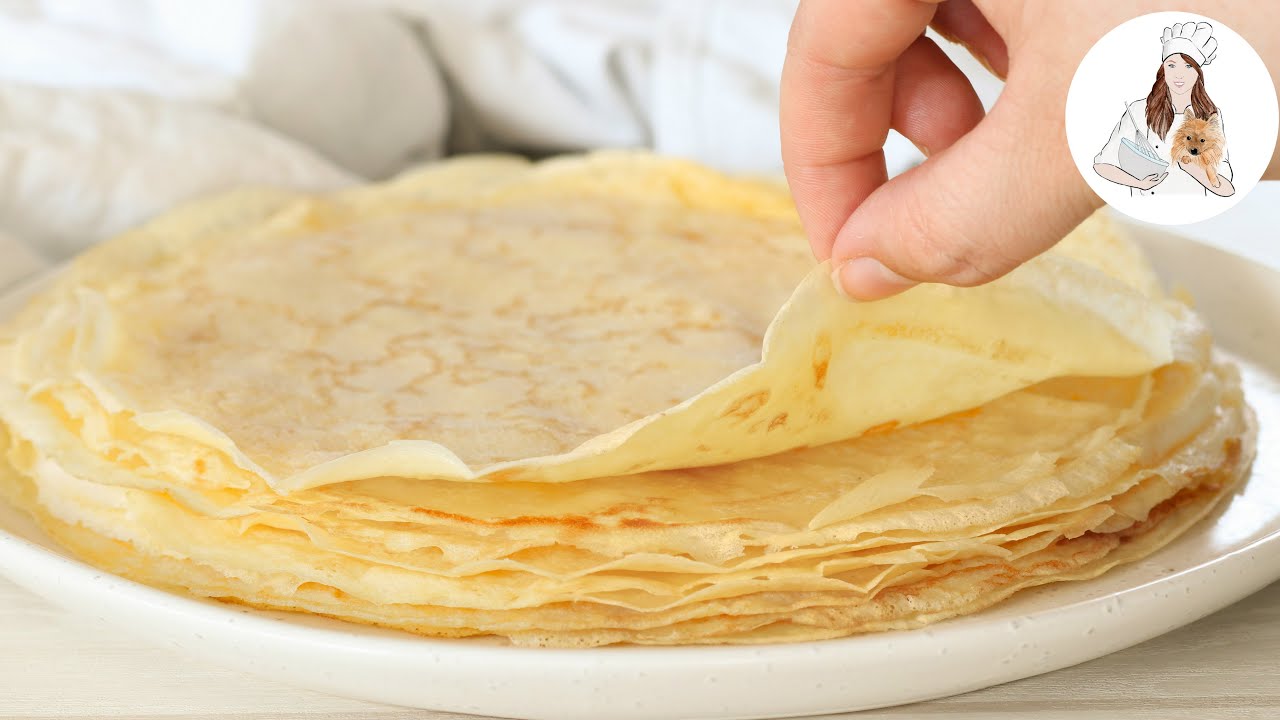
French Crepes: Your Guide to Perfect Thin Pancakes & Fillings
Stepping into the world of French cuisine often conjures images of delicate pastries, rich sauces, and elegant dining. Among these culinary treasures, the humble yet versatile
crepe holds a special place. Far more than just a "skinny pancake," crepes are a canvas for endless culinary creativity, transforming simple ingredients into a delightful experience, whether for breakfast, dessert, or even a light dinner. Their thin, almost lacy texture and golden edges are instantly recognizable, promising a taste of France with every bite.
At its heart, a crepe is a dish made from an unleavened batter—meaning it contains no rising agent like baking powder—cooked quickly on a hot frying pan or griddle. This results in its characteristic flat, pliable form, ready to be wrapped around a myriad of delicious fillings. From the classic sweet crepes (
crêpes sucrées) to their savory counterparts, often known as galettes (
crêpes salées), the possibilities are truly boundless.
A Taste of Tradition: The French Connection & Superstitions
Beyond their culinary appeal, crepes are steeped in rich French history and tradition, most notably associated with the Christian holiday of La Chandeleur, or Candlemas, observed on February 2nd. This day, historically, saw Pope Gelasius I offering crepes as sacramental bread to French pilgrims visiting Rome in 472 AD. Over time, these delicate pancakes replaced the sacramental bread in France, earning the day the affectionate moniker, "Le Jour des Crêpes" (The Day of the Crepes).
La Chandeleur is also a celebration marking the transition from winter to spring, much like North America's Groundhog Day. The golden color and circular shape of crepes beautifully symbolize the sun, representing warmth, renewal, and the cycle of life after the cold winter months. This deeply ingrained cultural significance makes enjoying crepes on February 2nd a cherished annual ritual for many French families. To delve deeper into the fascinating history and traditions surrounding this beloved dish, explore
The Secret History of Crepes: French Traditions & Lucky Superstitions.
The day is also intertwined with charming superstitions aimed at bringing good fortune:
* **Flipping for Fortune:** One popular tradition involves holding a gold coin (like a historic Louis d'or) or a wedding ring in your left hand while successfully flipping a crepe in the pan with your right. A successful flip is believed to usher in wealth or good weather for the coming year.
* **The Lucky Crepe:** Another variation suggests cooking the first crepe with a gold coin on top, or even hiding this first crepe in a drawer, uneaten, for good luck throughout the year.
* **Sharing is Caring:** The tradition of eating and sharing crepes on Candlemas also harks back to popes giving food to the poor on February 2nd each year, emphasizing community and generosity.
These delightful customs add an extra layer of magic to the simple act of making and enjoying crepes, connecting food with hope and shared experiences.
Crafting the Perfect Crepe: An Easy Recipe & Essential Tips
Creating the ideal French crepe is surprisingly straightforward, requiring just a few basic ingredients and a bit of technique. The key is to achieve a batter that’s thin enough to spread evenly but robust enough to hold its shape. Here’s a foundational recipe that consistently delivers delicious results:
Basic French Crepe Recipe
**Yields:** Approximately 10-12 six-inch crepes
**Prep time:** 5 minutes + 1 hour rest time
**Cook time:** 15-20 minutes
**Ingredients:**
- 1 cup all-purpose flour
- 1½ cups whole milk (or 2% milk)
- 2 large eggs
- 1 teaspoon vegetable oil (plus more for greasing the pan)
- ¼ teaspoon salt
**Instructions:**
- **Combine Wet Ingredients:** In a large bowl, whisk together the milk, eggs, and 1 teaspoon of vegetable oil until well combined and slightly frothy.
- **Add Dry Ingredients:** Gradually add the flour and salt to the wet mixture, whisking constantly until the batter is smooth and free of lumps. Avoid overmixing; a few tiny lumps are okay, as they will disappear during the resting phase. The batter will be quite thin, similar to heavy cream.
- **The Crucial Rest:** This step is vital! Cover the bowl with plastic wrap and let the batter rest in the refrigerator for at least 30 minutes, ideally 1 hour (or even overnight). Resting allows the flour to fully hydrate, resulting in a more tender and pliable crepe that's easier to cook without tearing.
- **Heat the Skillet:** Heat a 6-inch non-stick skillet or a dedicated crepe pan over medium heat. Lightly grease the pan with a tiny amount of vegetable oil or melted butter. A quick tip: use a paper towel to wipe out excess grease, leaving just a thin film. This prevents the crepes from becoming greasy and ensures even browning.
- **Cook the Crepes:** Remove the pan from the heat. Spoon about 2-3 tablespoons of batter into the center of the hot pan. Immediately lift and tilt the skillet in a circular motion to spread the batter thinly and evenly across the bottom surface. This quick tilt is the secret to achieving that signature delicate thinness.
- **Return to Heat:** Return the pan to the stove. Cook for about 1-2 minutes, or until the edges start to crisp and turn golden brown, and the surface appears set and dry.
- **Flip and Finish (Optional):** Gently loosen the edges with a thin spatula. You can either carefully flip the crepe to cook the second side for another 30 seconds (for slightly firmer crepes) or simply slide it out onto a plate, cooked on one side only (for a softer, more traditional French texture). The recipe from Food.com suggests browning on one side only and inverting, which is a common approach for softer crepes.
- **Repeat:** Repeat with the remaining batter, lightly greasing the pan between each crepe as needed. Stack the cooked crepes on a plate to keep them warm.
Secrets to Success: Mastering Your Crepe Technique
- Batter Consistency: Your batter should be like heavy cream. If it feels too thick after resting, add a tablespoon of milk at a time until it reaches the right consistency.
- Pan Temperature: This is key! Too low, and crepes will be pale and rubbery; too high, and they'll burn before cooking through. Medium heat is usually perfect. The first crepe is often a "test crepe"—it helps you gauge and adjust the heat. Don't be discouraged if it's not perfect!
- Thinness is King: The goal is a delicate, almost translucent crepe. Don't overload the pan with too much batter. A quick, confident tilt of the pan immediately after pouring ensures an even, thin spread.
- A Well-Rested Batter: As mentioned, resting allows the flour to fully hydrate, relaxing the gluten. This prevents tearing and gives your crepes a beautifully tender texture.
For more detailed insights into perfecting your technique and exploring endless filling combinations, be sure to read
Mastering Crepes: Easy Recipe & Endless Sweet or Savory Fillings.
Endless Culinary Canvas: Sweet & Savory Fillings
The true magic of crepes lies in their incredible versatility. Once you've mastered the basic recipe, the world of fillings awaits, allowing you to tailor your crepes to any craving or occasion.
Sweet Sensations (Crêpes Sucrées)
These are the classic dessert crepes, perfect for a decadent brunch or an after-dinner treat.
- The Simple Classic: A sprinkle of granulated sugar and a squeeze of fresh lemon juice – elegant, refreshing, and truly French.
- Chocolate Hazelnut Dream: Generous spread of Nutella, often paired with sliced bananas.
- Fruity Delights: Fresh berries (strawberries, blueberries, raspberries) with a dollop of whipped cream, sweetened peaches, or any fruit jam.
- Creamy Indulgence: Cream cheese and pineapple, sweetened mascarpone, or a rich pastry cream.
- Crêpes Suzette: A famous and theatrical preparation where crepes are flambéed in a sauce of butter, sugar, orange juice, and Grand Marnier.
Savory Delights (Galettes Salées)
Often made with buckwheat flour in France (giving them a nuttier flavor and a slightly darker hue), savory crepes make for a wonderful lunch, light dinner, or sophisticated brunch.
- Ham and Cheese: A timeless combination, especially with Gruyere cheese. Add a fried egg on top for a "Galette Complète."
- Mushroom and Spinach: Sautéed mushrooms and spinach, perhaps with a touch of garlic and a creamy béchamel sauce.
- Chicken and Asparagus: Diced cooked chicken with steamed asparagus spears, possibly enveloped in a light hollandaise.
- Mediterranean Twist: Feta cheese, sun-dried tomatoes, olives, and fresh herbs.
- Smoked Salmon: Cream cheese, capers, dill, and thinly sliced smoked salmon make for an elegant offering.
When serving, you can roll your crepes into neat cylinders, fold them into triangles, or even create elegant parcels. Pair them with a simple side salad for savory options or a scoop of ice cream for sweet ones. The options are truly limitless, making crepes an exciting addition to any home cook's repertoire.
In conclusion, French crepes are a testament to the beauty of simplicity in cuisine. From their storied past on La Chandeleur to their effortless adaptability in the modern kitchen, they offer a delightful culinary journey. Whether you're drawn to their sweet indulgence or savory sophistication, mastering the art of the crepe is a rewarding endeavor that promises to bring a touch of French elegance and deliciousness to your table. So, whisk up a batch of batter, heat your pan, and get ready to enjoy these perfect thin pancakes and their endless fillings!